

Andamine Crusher
Becerro
- Desde
- 13 Nov 2025
- Mensajes
- 20
- Tema Autor
- #1
A sand and aggregate production line for limestone must achieve the required product sizes without creating unnecessary crushing stages, excessive fines, or avoidable operating costs. Because limestone varies in hardness, strength, and feed size, the correct equipment configuration depends on the material characteristics and the final aggregate specifications. Matching the reduction ratio of each crushing stage to the target product size helps maintain stable throughput and consistent grading. A properly configured limestone processing line can produce coarse aggregates, fine aggregates, and manufactured sand while using equipment capacity efficiently.
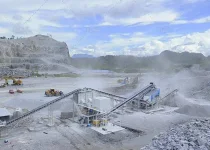
These specifications determine how much the limestone must be reduced and whether one or multiple crushing stages are necessary. For example, reducing large quarry-run limestone to several aggregate fractions generally requires primary crushing followed by screening and, where necessary, secondary crushing. Producing a finer sand product may require an additional shaping or fine-crushing stage.
Feed size also matters. A crusher receiving large, irregular rock pieces has a different reduction task from one processing material already reduced by an upstream machine. Before choosing equipment, establish the maximum feed size, expected feed gradation, target product sizes, and required production rate. These values provide the basis for determining the reduction ratio and selecting a suitable crushing arrangement.
A high reduction ratio means a greater size reduction in one stage. However, trying to achieve the entire reduction in a single crusher may lower throughput, increase wear, or produce more fines than required. Dividing the reduction between stages can provide better control over product grading and overall plant performance.
For example, a primary crusher may reduce large limestone blocks to a manageable intermediate size. A secondary crusher then produces smaller material for screening into saleable aggregate fractions. If the plant also needs manufactured sand, a further crushing or shaping stage may be justified.
The appropriate ratio is not a fixed number for every limestone project. It depends on the crusher design, material strength, feed distribution, operating settings, and required output. Equipment should therefore be selected around the complete production objective rather than an isolated reduction-ratio figure.
For secondary crushing, impact crushers can be effective for suitable limestone because they use impact energy to break the rock and can produce a favorable particle shape. Cone crushers may also be considered where the required product gradation, feed characteristics, and operating conditions suit their crushing mechanism. The final choice should account for feed size, desired output, abrasion, and capacity requirements.
When manufactured sand is part of the product mix, a vertical shaft impact crusher or another suitable fine-crushing system may help control particle shape and produce smaller fractions. However, a dedicated shaping stage is not automatically necessary. If the existing crusher and screen combination already meets the required specifications, adding another machine may increase investment and operating costs without delivering sufficient value.
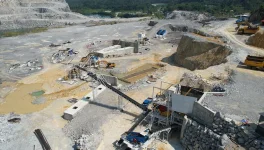
The screen must be sized for the actual material flow, not just the crusher's rated output. Limestone containing excessive fines or moisture may reduce screening efficiency, while overloaded decks can allow particles to pass into the wrong product fraction. These problems can affect both aggregate quality and production capacity.
For example, a plant producing coarse aggregates and manufactured sand must separate the required size ranges without sending excessive material back through the crusher. Too much recirculation increases the load on the entire circuit and can reduce the amount of saleable product produced per hour. Reviewing screen aperture sizes, deck arrangement, feed distribution, and conveyor capacity helps maintain a balanced system.
To improve sand yield, operators should evaluate the feed gradation and the size distribution after each crushing stage. Adjusting crusher settings may change the proportion of fine material, but the result must be checked against total throughput, particle shape, and wear rates. A setting that increases fine output may also increase recirculation or produce more material below the required size range.
Screening can help separate usable sand from coarser fractions, while washing or classification may be appropriate when the application requires tighter control of fine particles. These additional processes should be selected according to the final product specification and local requirements. The objective is to maximize the recovery of compliant products rather than simply increase the quantity of material passing through the crusher.
Estimate actual throughput under realistic operating conditions, including feed variability, equipment availability, and expected recirculation. Then evaluate the cost per ton of each saleable product. Limestone properties, target sizes, and the proportion of fine material can all influence the economics of production.
Preventive maintenance also helps protect output. Regular inspection of crusher liners or impact wear parts, screen media, bearings, and conveyors can identify developing problems before they cause extended interruptions. Consistent feed control and correct operating settings are equally important because unstable feeding can reduce efficiency and lead to uneven product grading.
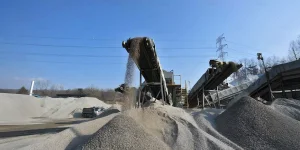
1. Define the Required Aggregate Sizes Before Selecting Equipment
The first step in designing a limestone production line is to identify the required products. A quarry supplying road construction may need several coarse aggregate sizes, while a plant serving concrete producers may also require fine aggregates with controlled gradation. Manufactured sand production adds another requirement: managing particle shape and the distribution of fine particles.These specifications determine how much the limestone must be reduced and whether one or multiple crushing stages are necessary. For example, reducing large quarry-run limestone to several aggregate fractions generally requires primary crushing followed by screening and, where necessary, secondary crushing. Producing a finer sand product may require an additional shaping or fine-crushing stage.
Feed size also matters. A crusher receiving large, irregular rock pieces has a different reduction task from one processing material already reduced by an upstream machine. Before choosing equipment, establish the maximum feed size, expected feed gradation, target product sizes, and required production rate. These values provide the basis for determining the reduction ratio and selecting a suitable crushing arrangement.
2. Understand Reduction Ratios Across Crushing Stages
The reduction ratio describes how much a crusher reduces the size of incoming material. It is commonly estimated by comparing a representative feed size with a representative product size, although the exact calculation depends on the size distribution and measurement method used.A high reduction ratio means a greater size reduction in one stage. However, trying to achieve the entire reduction in a single crusher may lower throughput, increase wear, or produce more fines than required. Dividing the reduction between stages can provide better control over product grading and overall plant performance.
For example, a primary crusher may reduce large limestone blocks to a manageable intermediate size. A secondary crusher then produces smaller material for screening into saleable aggregate fractions. If the plant also needs manufactured sand, a further crushing or shaping stage may be justified.
The appropriate ratio is not a fixed number for every limestone project. It depends on the crusher design, material strength, feed distribution, operating settings, and required output. Equipment should therefore be selected around the complete production objective rather than an isolated reduction-ratio figure.
3. Choose a Limestone Crusher Machine for Each Processing Stage
A limestone crusher machine should be matched to its position in the production line and the characteristics of the feed material. Jaw crushers are widely used for primary crushing because their large feed openings can accommodate substantial limestone pieces. They reduce the material to a size suitable for downstream processing.For secondary crushing, impact crushers can be effective for suitable limestone because they use impact energy to break the rock and can produce a favorable particle shape. Cone crushers may also be considered where the required product gradation, feed characteristics, and operating conditions suit their crushing mechanism. The final choice should account for feed size, desired output, abrasion, and capacity requirements.
When manufactured sand is part of the product mix, a vertical shaft impact crusher or another suitable fine-crushing system may help control particle shape and produce smaller fractions. However, a dedicated shaping stage is not automatically necessary. If the existing crusher and screen combination already meets the required specifications, adding another machine may increase investment and operating costs without delivering sufficient value.
4. Coordinate Screening With the Crushing Stages
Screening is essential because crushing alone does not guarantee the correct final aggregate sizes. A vibrating screen separates material into specified fractions, allowing finished products to be collected while oversized particles can return for further reduction if the circuit includes recirculation.The screen must be sized for the actual material flow, not just the crusher's rated output. Limestone containing excessive fines or moisture may reduce screening efficiency, while overloaded decks can allow particles to pass into the wrong product fraction. These problems can affect both aggregate quality and production capacity.
For example, a plant producing coarse aggregates and manufactured sand must separate the required size ranges without sending excessive material back through the crusher. Too much recirculation increases the load on the entire circuit and can reduce the amount of saleable product produced per hour. Reviewing screen aperture sizes, deck arrangement, feed distribution, and conveyor capacity helps maintain a balanced system.
5. Control Fines and Improve Manufactured Sand Yield
Limestone crushing naturally generates fine particles, but the amount depends on material properties, crusher settings, and the number of crushing stages. Some fines can become useful manufactured sand, while excessive ultrafine material may reduce the proportion of product that meets the required specification.To improve sand yield, operators should evaluate the feed gradation and the size distribution after each crushing stage. Adjusting crusher settings may change the proportion of fine material, but the result must be checked against total throughput, particle shape, and wear rates. A setting that increases fine output may also increase recirculation or produce more material below the required size range.
Screening can help separate usable sand from coarser fractions, while washing or classification may be appropriate when the application requires tighter control of fine particles. These additional processes should be selected according to the final product specification and local requirements. The objective is to maximize the recovery of compliant products rather than simply increase the quantity of material passing through the crusher.
6. Balance Production Capacity With Operating Costs
A production line must meet its output target while controlling energy consumption, wear-part costs, and downtime. Installing a larger crusher does not necessarily improve plant productivity if the screen, feeder, or conveyor system becomes the limiting factor. Similarly, excessive crushing stages can increase capital investment and maintenance requirements.Estimate actual throughput under realistic operating conditions, including feed variability, equipment availability, and expected recirculation. Then evaluate the cost per ton of each saleable product. Limestone properties, target sizes, and the proportion of fine material can all influence the economics of production.
Preventive maintenance also helps protect output. Regular inspection of crusher liners or impact wear parts, screen media, bearings, and conveyors can identify developing problems before they cause extended interruptions. Consistent feed control and correct operating settings are equally important because unstable feeding can reduce efficiency and lead to uneven product grading.