
Andamine Crusher
Becerro
- Desde
- 13 Nov 2025
- Mensajes
- 22
- Tema Autor
- #1
Indonesia's construction materials industry is closely connected to infrastructure development, urban expansion, mining activities, and regional transportation projects. As demand for sand, gravel, and crushed stone continues to create opportunities for aggregate producers, businesses must also deal with geographical challenges, uneven resource distribution, and transportation costs. Mobile crushers Indonesia offer a flexible approach to on-site aggregate production, particularly in areas where establishing permanent crushing facilities is difficult. Understanding the local market, material characteristics, equipment requirements, and investment risks can help contractors and entrepreneurs identify opportunities in Indonesia's construction materials sector.
However, demand is not even distributed. Some regions have established quarrying industries and relatively mature supply chains, while remote areas may experience limited access to reliable aggregate sources. Contractors working on regional infrastructure projects may need to transport materials over long distances or arrange temporary production facilities near construction sites. This creates potential demand for mobile crushing equipment that can process locally available rocks and supply aggregates according to project specifications.
Mobile crushing plants can help address some of these challenges by bringing processing equipment closer to the material source or construction site. Instead of transporting oversized rocks to a distant stationary facility, contractors can crush suitable raw materials locally and transport the finished aggregates to nearby projects. However, equipment transportation between islands still requires careful planning, including machinery dimensions, loading arrangements, road accessibility, and port handling conditions.
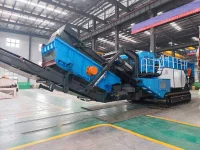
A mobile jaw crusher is commonly used as primary crushing equipment for reducing large rocks into smaller feed material. For harder materials such as granite and andesite, a mobile cone crusher can provide secondary or tertiary crushing, while a mobile impact crusher may be suitable for certain medium-hard materials and applications requiring improved particle shape. The final configuration should also consider feed size, required output capacity, aggregate gradation, and the proportion of fine particles.
For example, a project producing road construction aggregates may require several finished sizes rather than a single output fraction. Integrating screening equipment into the crushing process helps separate materials into specified sizes and return oversized particles for further reduction. Proper equipment matching can improve production efficiency while reducing unnecessary recirculation and wear.
For entrepreneurs considering how to start stone crusher business operations, the first step should be evaluating local aggregate demand and identifying reliable sources of raw materials. Important factors include nearby construction projects, competing suppliers, rock availability, transportation distances, expected production volume, and local environmental requirements. These factors help determine whether a mobile crushing plant or stationary crushing line is more economically suitable.
A mobile crushing plant may be advantageous when production locations change frequently or when the business needs to supply several nearby projects. A stationary plant, however, may offer a more appropriate solution for long-term quarry operations with stable material sources and consistently high production demand. The investment decision should be based on projected utilization and total operating costs rather than equipment purchase price alone.
Indonesia's tropical climate also requires attention to rainfall, humidity, and material moisture. Wet and clay-rich feed can stick to screens, reduce screening efficiency, and cause material accumulation around conveyors and transfer points. Appropriate pre-screening, drainage, stockpile management, and regular cleaning can help maintain stable production during rainy periods.
Environmental and safety management are equally important. Dust suppression, noise control, safe conveyor access, emergency shutdown systems, and regular inspections should be incorporated into daily operations. Businesses must also evaluate applicable Indonesian quarrying, environmental, land-use, and occupational safety requirements before establishing production facilities.
Equipment suppliers can contribute beyond machinery delivery by providing plant configuration recommendations, installation guidance, operator training, and technical support. For businesses operating across multiple islands, transportation arrangements and spare parts availability should be evaluated before purchasing equipment. Establishing a practical maintenance plan and maintaining sufficient critical wear parts can help reduce unexpected downtime.
Ultimately, competitive aggregate producers need to combine suitable machinery with dependable service arrangements and efficient production management. These capabilities are particularly important when serving contractors with strict material specifications and project schedules.
1. Indonesia's Construction Materials Market Creates New Opportunities
Indonesia's infrastructure development spans numerous islands, creating demand for construction aggregates in road building, residential development, ports, bridges, and industrial projects. Java has concentrated urban and industrial construction activities, while Sumatra, Kalimantan, Sulawesi, and other regions also require aggregates for transportation infrastructure and resource-related development. These geographically distributed projects create opportunities for local quarry operators and aggregate suppliers.However, demand is not even distributed. Some regions have established quarrying industries and relatively mature supply chains, while remote areas may experience limited access to reliable aggregate sources. Contractors working on regional infrastructure projects may need to transport materials over long distances or arrange temporary production facilities near construction sites. This creates potential demand for mobile crushing equipment that can process locally available rocks and supply aggregates according to project specifications.
2. Geographical Conditions and Transportation Costs Are Major Challenges
Indonesia's island geography presents logistical challenges for construction material producers. Moving large quantities of raw stone, finished aggregates, and heavy machinery between islands can involve additional road, port, and shipping arrangements. For projects located far from established quarries, transportation expenses can significantly affect the final cost of construction materials.Mobile crushing plants can help address some of these challenges by bringing processing equipment closer to the material source or construction site. Instead of transporting oversized rocks to a distant stationary facility, contractors can crush suitable raw materials locally and transport the finished aggregates to nearby projects. However, equipment transportation between islands still requires careful planning, including machinery dimensions, loading arrangements, road accessibility, and port handling conditions.
3. Different Rock Types Require Appropriate Crushing Configurations
Indonesia has diverse geological resources, including andesite, granite, limestone, basalt, and river stone. These materials have different hardness levels, abrasiveness, moisture characteristics, and particle shapes, which directly influence crushing performance and equipment selection.A mobile jaw crusher is commonly used as primary crushing equipment for reducing large rocks into smaller feed material. For harder materials such as granite and andesite, a mobile cone crusher can provide secondary or tertiary crushing, while a mobile impact crusher may be suitable for certain medium-hard materials and applications requiring improved particle shape. The final configuration should also consider feed size, required output capacity, aggregate gradation, and the proportion of fine particles.
For example, a project producing road construction aggregates may require several finished sizes rather than a single output fraction. Integrating screening equipment into the crushing process helps separate materials into specified sizes and return oversized particles for further reduction. Proper equipment matching can improve production efficiency while reducing unnecessary recirculation and wear.
4. Mobile Crushing Equipment Supports Flexible Business Models
One important opportunity in Indonesia is the flexibility to serve different projects without relying entirely on a permanent crushing facility. Mobile crushers can be relocated between suitable sites, making them attractive to contractors handling temporary road construction, quarry development, infrastructure projects, and aggregate supply contracts.For entrepreneurs considering how to start stone crusher business operations, the first step should be evaluating local aggregate demand and identifying reliable sources of raw materials. Important factors include nearby construction projects, competing suppliers, rock availability, transportation distances, expected production volume, and local environmental requirements. These factors help determine whether a mobile crushing plant or stationary crushing line is more economically suitable.
A mobile crushing plant may be advantageous when production locations change frequently or when the business needs to supply several nearby projects. A stationary plant, however, may offer a more appropriate solution for long-term quarry operations with stable material sources and consistently high production demand. The investment decision should be based on projected utilization and total operating costs rather than equipment purchase price alone.
5. Operational Management Determines Long-Term Profitability
Owning suitable crushing equipment does not automatically guarantee profitable production. Operators must manage material feeding, crushing efficiency, screening accuracy, equipment maintenance, fuel or electricity consumption, and finished aggregate quality. Poorly controlled feeding can cause blockages, uneven machine loading, and unnecessary downtime, reducing the current salable output of the plant.Indonesia's tropical climate also requires attention to rainfall, humidity, and material moisture. Wet and clay-rich feed can stick to screens, reduce screening efficiency, and cause material accumulation around conveyors and transfer points. Appropriate pre-screening, drainage, stockpile management, and regular cleaning can help maintain stable production during rainy periods.
Environmental and safety management are equally important. Dust suppression, noise control, safe conveyor access, emergency shutdown systems, and regular inspections should be incorporated into daily operations. Businesses must also evaluate applicable Indonesian quarrying, environmental, land-use, and occupational safety requirements before establishing production facilities.
6. Local Service and Supply Chains Create Competitive Advantages
Reliable equipment support is an important consideration for Indonesian crushing businesses, especially those operating outside major industrial centers. Delays in obtaining replacement wear parts or technical assistance can interrupt production and affect project delivery schedules. Jaw plates, cone liners, blow bars, screen meshes, and conveyor components should therefore be included in maintenance and inventory planning.Equipment suppliers can contribute beyond machinery delivery by providing plant configuration recommendations, installation guidance, operator training, and technical support. For businesses operating across multiple islands, transportation arrangements and spare parts availability should be evaluated before purchasing equipment. Establishing a practical maintenance plan and maintaining sufficient critical wear parts can help reduce unexpected downtime.
Ultimately, competitive aggregate producers need to combine suitable machinery with dependable service arrangements and efficient production management. These capabilities are particularly important when serving contractors with strict material specifications and project schedules.