

Andamine Crusher
Becerro
- Desde
- 13 Nov 2025
- Mensajes
- 17
- Tema Autor
- #1
In recent years, mobile crushing plant in Bolivia has emerged as a cornerstone of sustainable mining operations across the Andean nation. With Bolivia's rich mineral resources—including silver, zinc, tin, and lithium—mining companies are increasingly adopting advanced crushing technologies to improve efficiency, reduce environmental impact, and support long-term economic development. Today's innovations in mobile crushing equipment not only enhance productivity but also align with global sustainability goals.
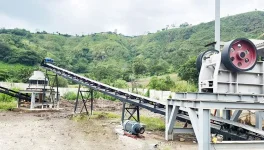
Traditionally, Bolivian mining operations relied heavily on stationary crushing systems. These fixed installations required significant infrastructure, high capital investment, and prolonged set-up times. However, the rise of mobile crushing plant solutions has marked a paradigm shift.
Unlike conventional systems, modern portable crushing plants can be rapidly deployed across multiple sites. This flexibility is especially valuable in Bolivia, where mining activities are often located in rugged terrain with limited road access. Portable crushing plants can be transported easily between extraction points, reducing haulage distances and cutting fuel consumption—a critical advantage for minimizing greenhouse gas emissions.
One of the most transformative aspects of recent mobile crushing plant innovations is the integration of smart control systems. Advanced automation and digital monitoring technologies enable operators to precisely adjust crushing parameters in real time. Sensors embedded throughout the plant collect data on feed size, output quality, machine temperature, vibration levels, and power usage.
For Bolivian operations, this digital intelligence improves decision‑making and ensures consistent product quality. By optimizing power consumption and preventing equipment overload, smart systems reduce energy use—a key component of sustainable mining. Furthermore, remote monitoring allows technical teams to troubleshoot issues without physically being onsite, which enhances safety and reduces operational downtime.
Energy efficiency is a critical consideration for sustainable mining. High energy costs not only affect a project's bottom line but also contribute significantly to carbon emissions. To address this challenge, manufacturers of mobile crushing plant in Bolivia have introduced energy-saving drives, hydraulic systems, and regenerative braking technologies.
Some models now feature variable frequency drives (VFDs), which dynamically adjust motor speed according to material load. By matching energy use with current processing needs, VFDs can reduce power consumption by up to 30% compared with traditional fixed-speed drives. When combined with optimized crushing chamber design, these innovations allow Bolivian mining companies to deliver high throughput with lower environmental cost.
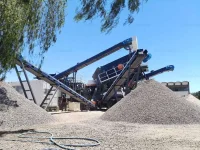
Wear and tear is a perpetual challenge for crushing equipment, especially when processing hard rock and abrasive ores typical in Bolivia. Frequent replacement of worn parts not only increases maintenance costs but also generates waste.
To address this, modern mobile crushing plant manufacturers equip their machines with wear-resistant materials such as manganese steel liners, ceramic composites, and advanced alloys. These materials extend component life and reduce the frequency of part replacements. Longer service intervals translate into fewer shutdowns, less material waste, and lower lifecycle costs—contributing to more sustainable operations.
Modularity is another key innovation reshaping Bolivia's mobile crushing landscape. Modular design allows individual components—such as screens, conveyors, and crushers—to be assembled independently and integrated on-site with minimal effort. This approach reduces installation time from weeks to days, accelerating project timelines and lowering labor costs.
For mining firms pursuing multiple or seasonal operations, modular portable crushing plants provide unmatched flexibility. Modules can be reconfigured to suit varying production goals or moved to new sites as needed. This adaptability is particularly beneficial for small to mid‑sized operators seeking to optimize their capital expenditure without sacrificing performance.
Sustainable mining demands rigorous environmental protection measures, and mobile crushing plant in Bolivia is evolving accordingly. Dust suppression systems, water sprays, and enclosed transfer points are now standard features on many portable crushing plants. These technologies significantly reduce airborne particulate matter, protecting worker health and minimizing environmental contamination.
Additionally, noise-reduction technologies—including sound-dampening enclosures and low-vibration components—help reduce the acoustic footprint of crushing operations. The result is a quieter, cleaner work environment that complies with increasingly strict environmental standards.
Technological innovation isn't limited to production and environmental management; safety is also a priority. Modern mobile crushing plant systems incorporate features such as emergency shutoffs, safety interlocks, remote control operations, and automated overload protection. These measures reduce the risk of accidents, enhance compliance with mining safety regulations, and protect both personnel and equipment.
In Bolivia's challenging mining landscapes—where workers often operate in high-altitude conditions and remote locations—robust safety systems are essential. By automating hazardous processes and minimizing manual intervention, today's mobile crushing technologies help mining companies safeguard their workforce.
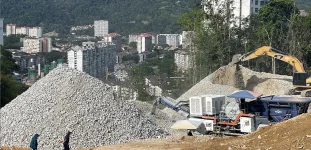
As global focus sharpens on responsible resource extraction, Bolivia stands at the forefront of adopting sustainable mining practices. The integration of cutting‑edge technologies in mobile crushing plant in Bolivia reflects both an economic imperative and a commitment to environmental stewardship. Portable crushing plants, with their energy-efficient designs, smart automation, modular flexibility, and enhanced safety systems, are helping redefine how mining is conducted in the region.
For Bolivian operators, these innovations offer more than just performance improvements—they represent a pathway to more resilient, efficient, and environmentally responsible mining. By embracing modern mobile crushing technologies, Bolivia can continue to capitalize on its mineral wealth while meeting the expectations of international stakeholders and local communities alike.
From Static to Mobile: A Paradigm Shift
Traditionally, Bolivian mining operations relied heavily on stationary crushing systems. These fixed installations required significant infrastructure, high capital investment, and prolonged set-up times. However, the rise of mobile crushing plant solutions has marked a paradigm shift.
Unlike conventional systems, modern portable crushing plants can be rapidly deployed across multiple sites. This flexibility is especially valuable in Bolivia, where mining activities are often located in rugged terrain with limited road access. Portable crushing plants can be transported easily between extraction points, reducing haulage distances and cutting fuel consumption—a critical advantage for minimizing greenhouse gas emissions.
Integration of Smart Control Systems
One of the most transformative aspects of recent mobile crushing plant innovations is the integration of smart control systems. Advanced automation and digital monitoring technologies enable operators to precisely adjust crushing parameters in real time. Sensors embedded throughout the plant collect data on feed size, output quality, machine temperature, vibration levels, and power usage.
For Bolivian operations, this digital intelligence improves decision‑making and ensures consistent product quality. By optimizing power consumption and preventing equipment overload, smart systems reduce energy use—a key component of sustainable mining. Furthermore, remote monitoring allows technical teams to troubleshoot issues without physically being onsite, which enhances safety and reduces operational downtime.
Energy‑Efficient Crushing Technologies
Energy efficiency is a critical consideration for sustainable mining. High energy costs not only affect a project's bottom line but also contribute significantly to carbon emissions. To address this challenge, manufacturers of mobile crushing plant in Bolivia have introduced energy-saving drives, hydraulic systems, and regenerative braking technologies.
Some models now feature variable frequency drives (VFDs), which dynamically adjust motor speed according to material load. By matching energy use with current processing needs, VFDs can reduce power consumption by up to 30% compared with traditional fixed-speed drives. When combined with optimized crushing chamber design, these innovations allow Bolivian mining companies to deliver high throughput with lower environmental cost.
Wear‑Resistant Materials and Extended Service Life
Wear and tear is a perpetual challenge for crushing equipment, especially when processing hard rock and abrasive ores typical in Bolivia. Frequent replacement of worn parts not only increases maintenance costs but also generates waste.
To address this, modern mobile crushing plant manufacturers equip their machines with wear-resistant materials such as manganese steel liners, ceramic composites, and advanced alloys. These materials extend component life and reduce the frequency of part replacements. Longer service intervals translate into fewer shutdowns, less material waste, and lower lifecycle costs—contributing to more sustainable operations.
Modular Design for Faster Assembly and Disassembly
Modularity is another key innovation reshaping Bolivia's mobile crushing landscape. Modular design allows individual components—such as screens, conveyors, and crushers—to be assembled independently and integrated on-site with minimal effort. This approach reduces installation time from weeks to days, accelerating project timelines and lowering labor costs.
For mining firms pursuing multiple or seasonal operations, modular portable crushing plants provide unmatched flexibility. Modules can be reconfigured to suit varying production goals or moved to new sites as needed. This adaptability is particularly beneficial for small to mid‑sized operators seeking to optimize their capital expenditure without sacrificing performance.
Environmental Protection and Dust Control
Sustainable mining demands rigorous environmental protection measures, and mobile crushing plant in Bolivia is evolving accordingly. Dust suppression systems, water sprays, and enclosed transfer points are now standard features on many portable crushing plants. These technologies significantly reduce airborne particulate matter, protecting worker health and minimizing environmental contamination.
Additionally, noise-reduction technologies—including sound-dampening enclosures and low-vibration components—help reduce the acoustic footprint of crushing operations. The result is a quieter, cleaner work environment that complies with increasingly strict environmental standards.
Enhanced Safety Features
Technological innovation isn't limited to production and environmental management; safety is also a priority. Modern mobile crushing plant systems incorporate features such as emergency shutoffs, safety interlocks, remote control operations, and automated overload protection. These measures reduce the risk of accidents, enhance compliance with mining safety regulations, and protect both personnel and equipment.
In Bolivia's challenging mining landscapes—where workers often operate in high-altitude conditions and remote locations—robust safety systems are essential. By automating hazardous processes and minimizing manual intervention, today's mobile crushing technologies help mining companies safeguard their workforce.
Supporting Bolivia's Sustainable Mining Future
As global focus sharpens on responsible resource extraction, Bolivia stands at the forefront of adopting sustainable mining practices. The integration of cutting‑edge technologies in mobile crushing plant in Bolivia reflects both an economic imperative and a commitment to environmental stewardship. Portable crushing plants, with their energy-efficient designs, smart automation, modular flexibility, and enhanced safety systems, are helping redefine how mining is conducted in the region.
For Bolivian operators, these innovations offer more than just performance improvements—they represent a pathway to more resilient, efficient, and environmentally responsible mining. By embracing modern mobile crushing technologies, Bolivia can continue to capitalize on its mineral wealth while meeting the expectations of international stakeholders and local communities alike.