

Andamine Crusher
Becerro
- Desde
- 13 Nov 2025
- Mensajes
- 11
- Tema Autor
- #1
Industrial rock crushers are essential equipment in mining, construction, and aggregate production. They reduce large rocks into smaller, manageable sizes for use in construction projects or for further processing. Despite their robust design and durability, industrial rock crushers may experience operational issues over time. Understanding common problems and how to troubleshoot them is vital for maintaining efficiency, minimizing downtime, and extending the lifespan of the equipment.
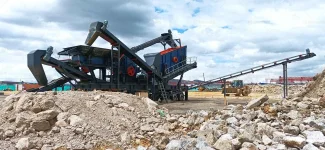
One of the most frequent problems in industrial rock crushers is overloading. This occurs when too much material is fed into the crusher at once, exceeding its designed capacity. Overloading can cause a drop in output, damage to internal components, and increased wear on parts.
Troubleshooting : Reduce the feed rate and ensure uniform material size distribution. Installing a feeder or vibrating screen upstream can regulate material flow and prevent overloading. Regular monitoring of the crusher's operating parameters, such as power consumption and vibration levels, can help detect overloading before it causes major damage.
Prevention Tip : Understanding the crusher's capacity and limits is key. If you are unsure about equipment sizing, it's important to research how to choose a rock crusher based on your material type, capacity requirements, and intended application.
Industrial rock crushers contain components such as jaw plates, hammers, and impact bars that experience significant wear during operation. Excessive wear leads to reduced crushing efficiency and inconsistent particle sizes.
Troubleshooting : Inspect wear parts regularly and replace them before they fail completely. Use wear-resistant materials like manganese steel for high-stress parts. For impact crushers, check the impact plates and blow bars for cracks or deformation.
Prevention Tip: Selecting the right crusher type for your material is critical. When learning how to choose a rock crusher, consider the abrasiveness of your material and whether a jaw, cone, or impact crusher will provide the most efficient, durable solution.
Excessive vibration or abnormal noise is a common problem in rock crushers. It can result from loose bolts, unbalanced flywheels, worn bearings, or misaligned components. Vibrations not only reduce efficiency but can also damage the crusher’s foundation over time.
Troubleshooting: Conduct a thorough inspection of the equipment, tightening loose bolts and replacing worn bearings. Ensure the crusher is properly aligned and mounted on a stable foundation. Lubricate moving parts according to manufacturer guidelines to reduce friction and vibration.
Prevention Tip: When evaluating how to choose a rock crusher, check for features that minimize vibration, such as reinforced frames, balanced rotors, and high-quality bearings.
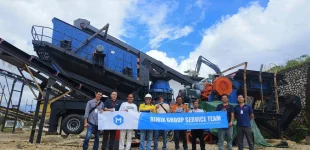
Material jamming is another common issue in industrial rock crushers, particularly with sticky or oversized rocks. Jams can stop operations entirely and may cause damage if not handled carefully.
Troubleshooting: Stop the machine immediately and remove the blockage safely. Never attempt to clear a jam while the crusher is running. Use proper tools and protective equipment. Evaluate the feed size and shape of the material, as well as the crusher’s inlet settings, to prevent future blockages.
Prevention Tip: Ensuring consistent material size and proper feeding techniques is critical. Knowing how to choose a rock crusher that matches your feed size and material characteristics will help reduce jamming.
For hydraulic crushers or those with mechanical adjustment systems, leaks, pressure loss, or malfunctioning actuators can halt operations. Mechanical failures such as broken belts, shafts, or gears also reduce crusher reliability.
Troubleshooting: Check hydraulic fluid levels and inspect hoses for leaks or damage. Replace worn or damaged mechanical components promptly. Perform regular maintenance on belts, shafts, and gears, following the manufacturer’s service schedule.
Prevention Tip: When considering how to choose a rock crusher, pay attention to the ease of maintenance and availability of spare parts. Selecting a reliable industrial rock crusher with good manufacturer support can prevent long-term downtime.
Industrial rock crushers generate heat during prolonged operation, especially if motors or bearings are overloaded or insufficiently lubricated. Overheating can lead to motor failure or bearing seizure.
Troubleshooting : Check for proper lubrication, clean dust and debris from cooling vents, and ensure the motor and bearings are not overloaded. Installing temperature sensors can provide early warnings of overheating.
Prevention Tip : Choosing a crusher with appropriate motor power and bearing design is crucial. Learning how to choose a rock crusher includes evaluating motor capacity, expected load, and operating environment to prevent overheating.
Crushing operations generate dust, which can affect machinery performance, reduce visibility, and create environmental compliance challenges. Dust accumulation can cause abrasion to moving parts and lead to frequent maintenance.
Troubleshooting : Install dust collection systems, water sprays, or enclosed conveyors to minimize dust. Clean machinery regularly to prevent abrasion and component wear.
Prevention Tip : Consider the crusher's dust control features when learning how to choose a rock crusher , especially if your operation is in a sensitive environment or urban area.
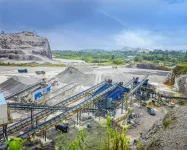
Industrial rock crushers are critical for efficient rock and aggregate processing, but they are subject to various operational problems, including overloading, wear, vibration, jamming, mechanical failure, overheating, and dust issues. Regular inspection, proper maintenance, and understanding material and capacity requirements can prevent many of these issues.
Furthermore, knowing how to choose a rock crusher based on material type, hardness, capacity, and environmental considerations is essential to minimize downtime, reduce maintenance costs, and maximize productivity. Working with reputable ready mix concrete plant companies or crusher manufacturers ensures you receive expert guidance, high-quality equipment, and after-sales support, which are critical for smooth and reliable operations. By proactively addressing these common problems and implementing effective troubleshooting strategies, industrial rock crushers can deliver consistent performance and long-term value.
Overloading and Reduced Output
One of the most frequent problems in industrial rock crushers is overloading. This occurs when too much material is fed into the crusher at once, exceeding its designed capacity. Overloading can cause a drop in output, damage to internal components, and increased wear on parts.
Troubleshooting : Reduce the feed rate and ensure uniform material size distribution. Installing a feeder or vibrating screen upstream can regulate material flow and prevent overloading. Regular monitoring of the crusher's operating parameters, such as power consumption and vibration levels, can help detect overloading before it causes major damage.
Prevention Tip : Understanding the crusher's capacity and limits is key. If you are unsure about equipment sizing, it's important to research how to choose a rock crusher based on your material type, capacity requirements, and intended application.
Excessive Wear of Crusher Components
Industrial rock crushers contain components such as jaw plates, hammers, and impact bars that experience significant wear during operation. Excessive wear leads to reduced crushing efficiency and inconsistent particle sizes.
Troubleshooting : Inspect wear parts regularly and replace them before they fail completely. Use wear-resistant materials like manganese steel for high-stress parts. For impact crushers, check the impact plates and blow bars for cracks or deformation.
Prevention Tip: Selecting the right crusher type for your material is critical. When learning how to choose a rock crusher, consider the abrasiveness of your material and whether a jaw, cone, or impact crusher will provide the most efficient, durable solution.
Vibration and Noise Issues
Excessive vibration or abnormal noise is a common problem in rock crushers. It can result from loose bolts, unbalanced flywheels, worn bearings, or misaligned components. Vibrations not only reduce efficiency but can also damage the crusher’s foundation over time.
Troubleshooting: Conduct a thorough inspection of the equipment, tightening loose bolts and replacing worn bearings. Ensure the crusher is properly aligned and mounted on a stable foundation. Lubricate moving parts according to manufacturer guidelines to reduce friction and vibration.
Prevention Tip: When evaluating how to choose a rock crusher, check for features that minimize vibration, such as reinforced frames, balanced rotors, and high-quality bearings.
Material Blockages and Jamming
Material jamming is another common issue in industrial rock crushers, particularly with sticky or oversized rocks. Jams can stop operations entirely and may cause damage if not handled carefully.
Troubleshooting: Stop the machine immediately and remove the blockage safely. Never attempt to clear a jam while the crusher is running. Use proper tools and protective equipment. Evaluate the feed size and shape of the material, as well as the crusher’s inlet settings, to prevent future blockages.
Prevention Tip: Ensuring consistent material size and proper feeding techniques is critical. Knowing how to choose a rock crusher that matches your feed size and material characteristics will help reduce jamming.
Hydraulic and Mechanical Failures
For hydraulic crushers or those with mechanical adjustment systems, leaks, pressure loss, or malfunctioning actuators can halt operations. Mechanical failures such as broken belts, shafts, or gears also reduce crusher reliability.
Troubleshooting: Check hydraulic fluid levels and inspect hoses for leaks or damage. Replace worn or damaged mechanical components promptly. Perform regular maintenance on belts, shafts, and gears, following the manufacturer’s service schedule.
Prevention Tip: When considering how to choose a rock crusher, pay attention to the ease of maintenance and availability of spare parts. Selecting a reliable industrial rock crusher with good manufacturer support can prevent long-term downtime.
Overheating of Motors and Bearings
Industrial rock crushers generate heat during prolonged operation, especially if motors or bearings are overloaded or insufficiently lubricated. Overheating can lead to motor failure or bearing seizure.
Troubleshooting : Check for proper lubrication, clean dust and debris from cooling vents, and ensure the motor and bearings are not overloaded. Installing temperature sensors can provide early warnings of overheating.
Prevention Tip : Choosing a crusher with appropriate motor power and bearing design is crucial. Learning how to choose a rock crusher includes evaluating motor capacity, expected load, and operating environment to prevent overheating.
Dust and Environmental Issues
Crushing operations generate dust, which can affect machinery performance, reduce visibility, and create environmental compliance challenges. Dust accumulation can cause abrasion to moving parts and lead to frequent maintenance.
Troubleshooting : Install dust collection systems, water sprays, or enclosed conveyors to minimize dust. Clean machinery regularly to prevent abrasion and component wear.
Prevention Tip : Consider the crusher's dust control features when learning how to choose a rock crusher , especially if your operation is in a sensitive environment or urban area.
Conclusion
Industrial rock crushers are critical for efficient rock and aggregate processing, but they are subject to various operational problems, including overloading, wear, vibration, jamming, mechanical failure, overheating, and dust issues. Regular inspection, proper maintenance, and understanding material and capacity requirements can prevent many of these issues.
Furthermore, knowing how to choose a rock crusher based on material type, hardness, capacity, and environmental considerations is essential to minimize downtime, reduce maintenance costs, and maximize productivity. Working with reputable ready mix concrete plant companies or crusher manufacturers ensures you receive expert guidance, high-quality equipment, and after-sales support, which are critical for smooth and reliable operations. By proactively addressing these common problems and implementing effective troubleshooting strategies, industrial rock crushers can deliver consistent performance and long-term value.